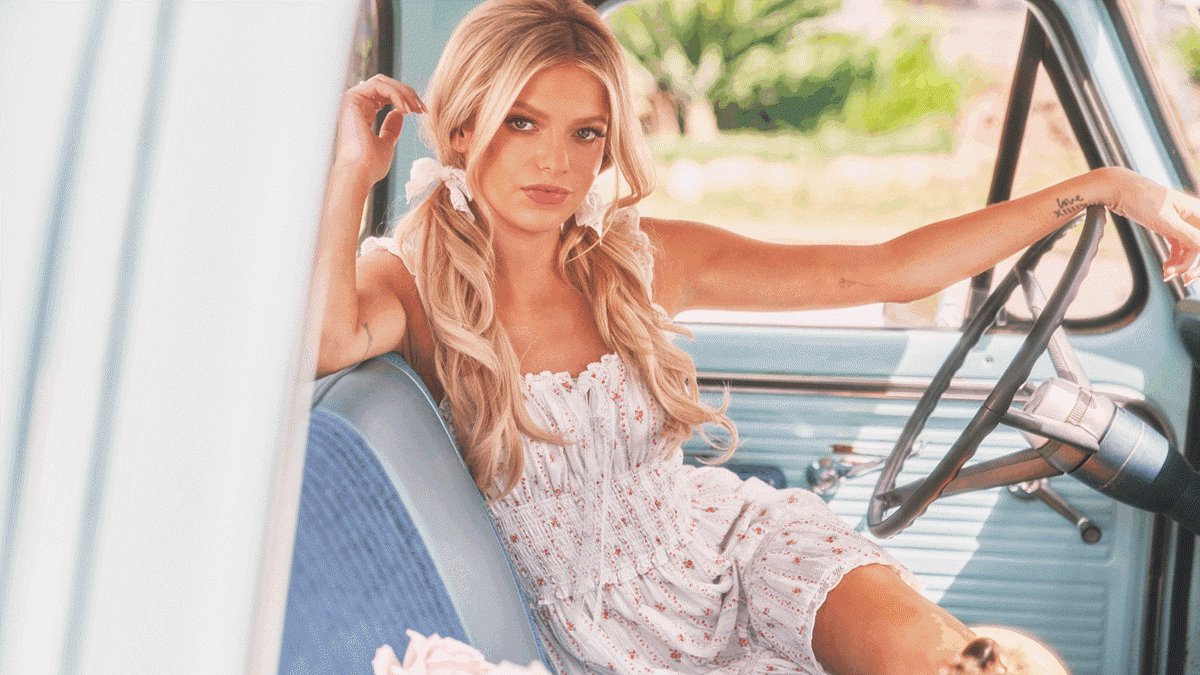
Soft, breathable cotton meets nostalgic Americana in LoveShackFancy x Cotton’s new campaign starring rising country music artist Carter Faith.
Shop NowDiscover why this natural fiber has been an essential part of human existence for over 6,000 years.
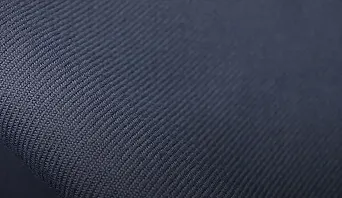
With a variety of weights and fabrics, cotton looks work for any season or occasion—so go ahead, flex your style.
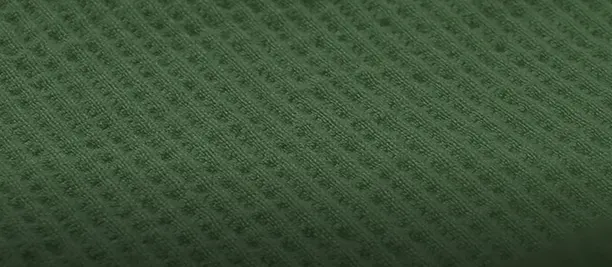
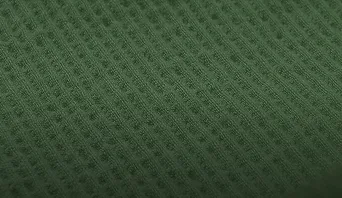
Made with natural fibers, cotton fabric is soft, breathable and gentle on your skin.
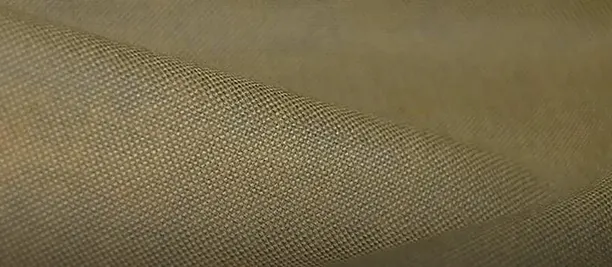
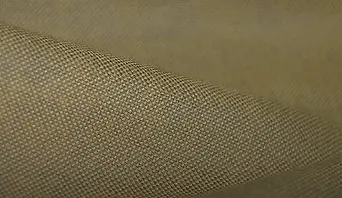
Cotton fabrics wash well, are easy to care for and keep their shape.
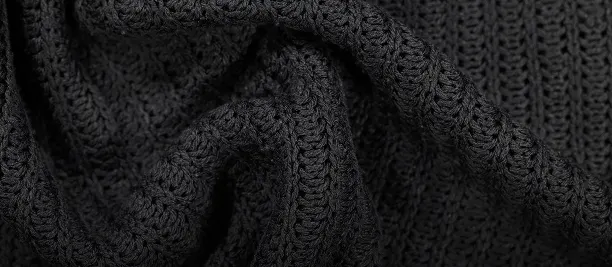
Made with natural fibers, cotton fabric doesn’t contain microplastics and can be fully biodegradable.1

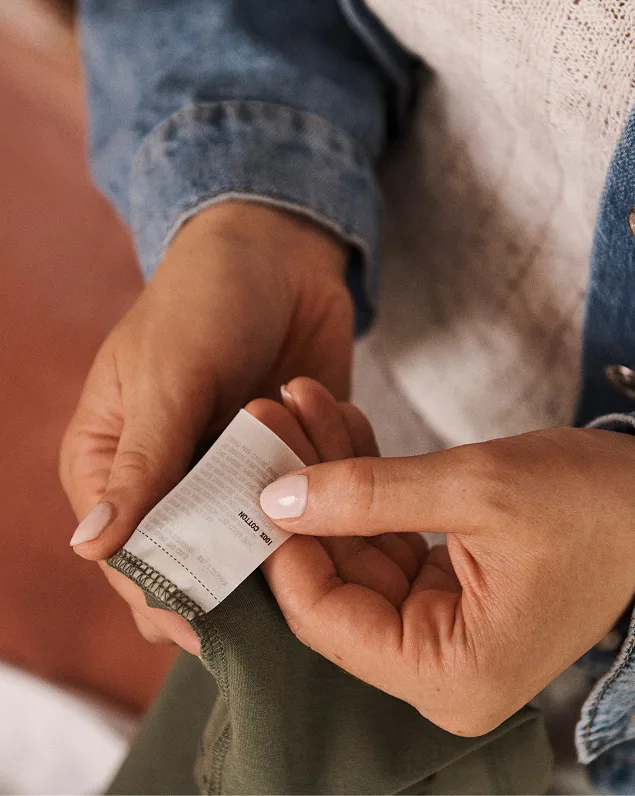
Look for fiber content on the tag inside products as you shop. Aim for at least 60% cotton in apparel, 90% or more in jeans, and 100% in sheets and towels.
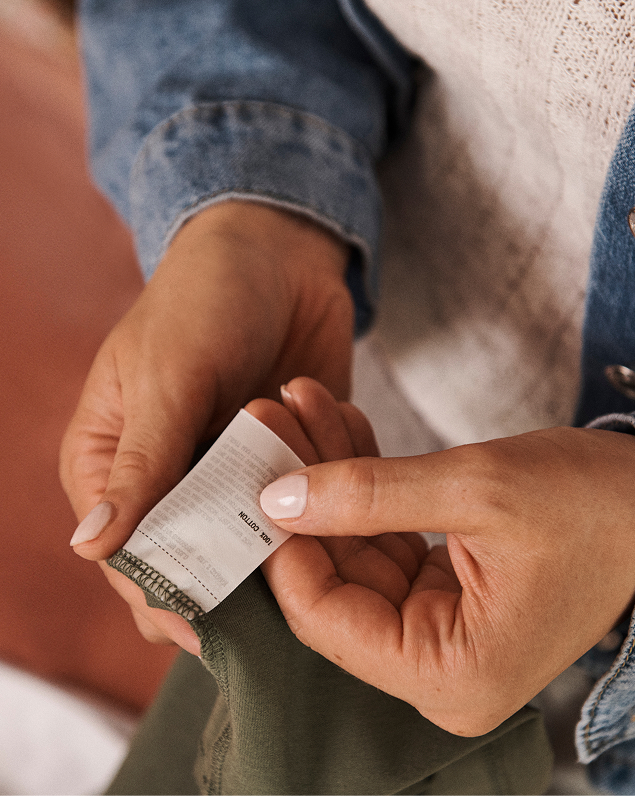
This iconic trademark can help you easily identify products made from cotton.
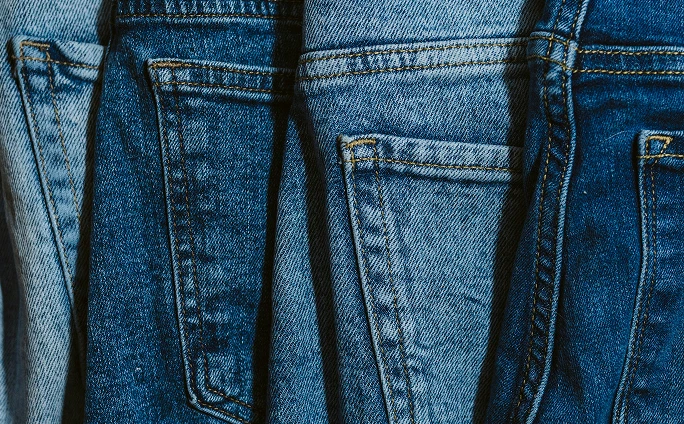
Ever heard of chino, madras or denim? These are just three of over 50 fabrics that are made from cotton!
Get the latest news, plus helpful information and advice from the experts.
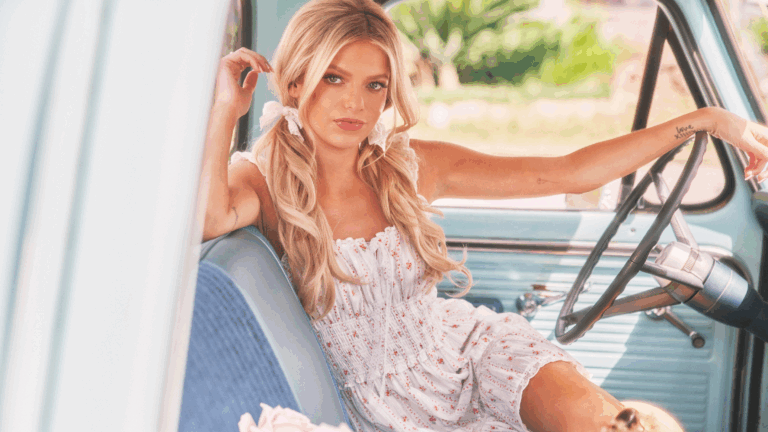
Soft, breathable cotton meets nostalgic Americana in LoveShackFancy x Cotton’s new campaign starring rising country music artist Carter Faith.
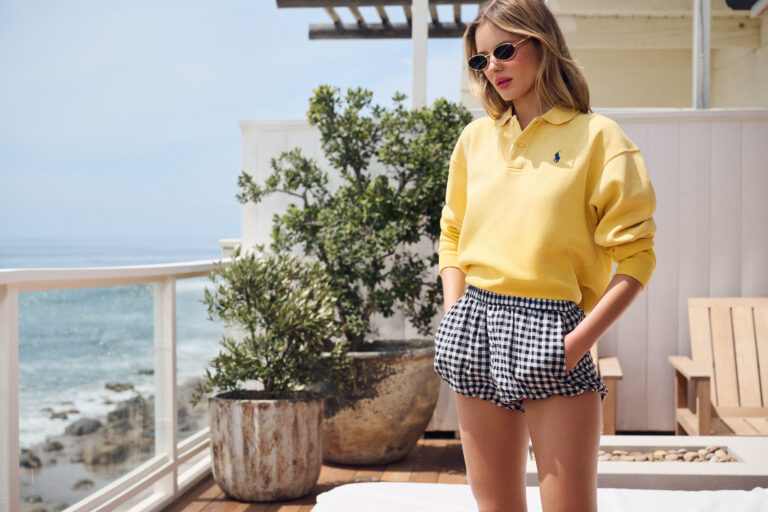
Now Open: The Cotton Shop at REVOLVE
The Cotton Shop at REVOLVE for women and men is back just in time for summer. Your one-stop shop for essentials you’ll wear on repeat all season long!
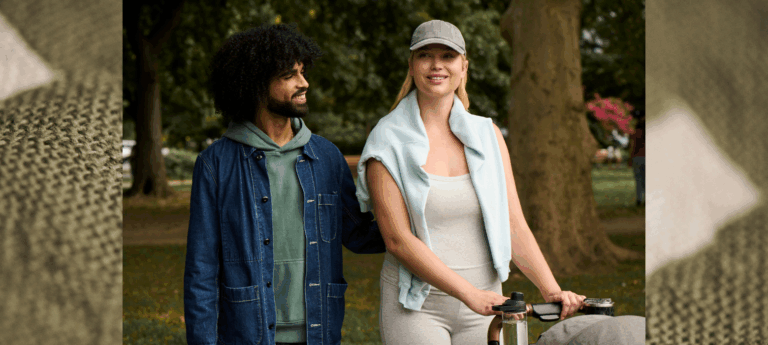
Cotton Essentials for Newborn & Parents
Cotton is the Fabric of Family. Bringing home a new baby can be overwhelming for all parents, but choosing products for baby that are made from cotton means making a d…