- Fashion
- Casual Rules
- Transform Your Life, Not Just Your Wardrobe
- Fashion Feng Shui® Wardrobe Guide
- Home Textiles
- Ironing 101
- Accounting for Taste
- Towel Tipster
- Laundry
- Caring for Cotton Towels
- Cotton Laundering Tips
- Whiter than White
- Tips & Tricks
- Fashion Fabric Glossary
- Denim Maintenance
- Bringing New Life to Cotton
Are you on the list?
Sign up for emails with hot news on what's up and what's next.
Your privacy is protected.
CARE OF COTTON BABY ITEMS
Baby Clothes
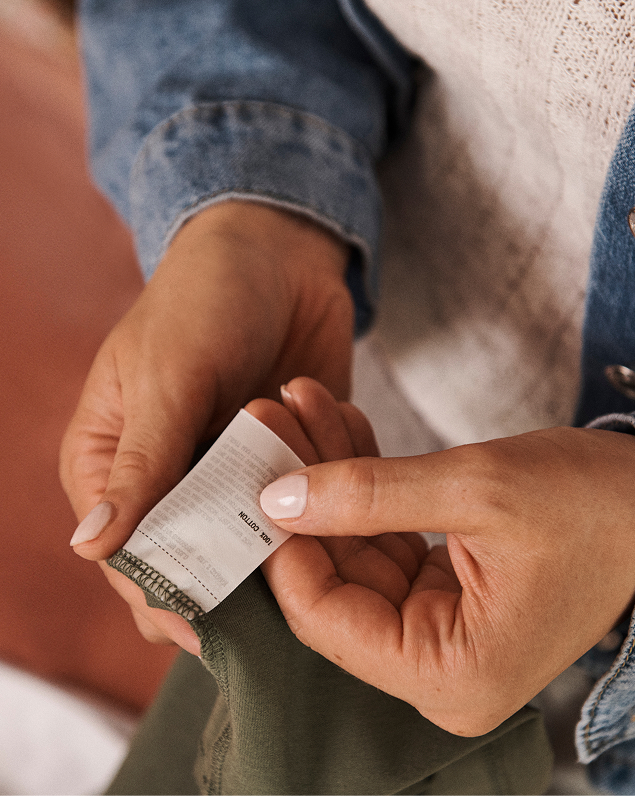
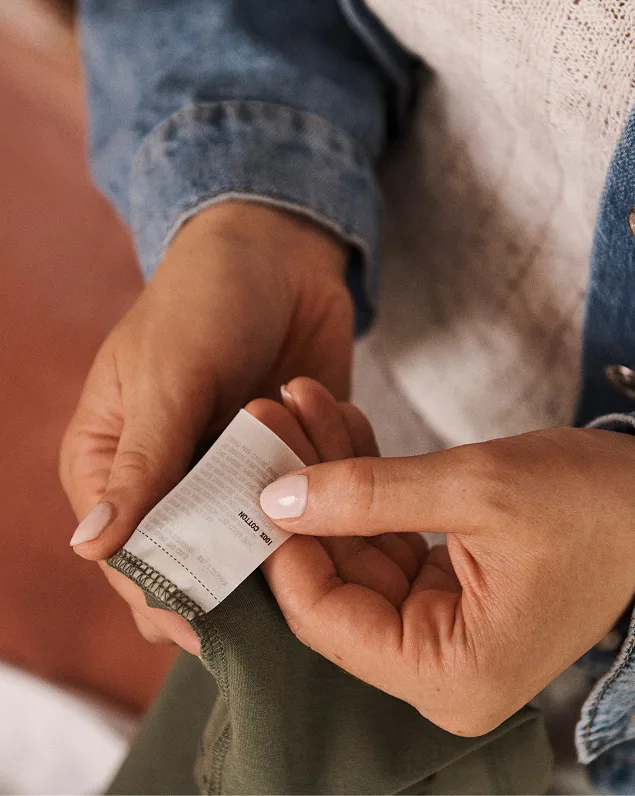
To make your precious baby clothing last longer and stay in good shape always follow the care instructions on the garment care label. If cared for properly, cotton baby clothes will remain well preserved and can be used again for another child.Detergents like Dreft® Baby Care, Ivory Snow®, and Cheer® help keep baby’s clothing looking great by providing color protection while preserving fabric softness and surface appearance.
Cotton is hydrophilic, which means that it LOVES water. In fact, it absorbs water more easily than any other fiber—it goes right inside the fiber during the soak cycle and leaves it easily during the spin cycle. This means your cotton baby clothing is thoroughly washed.
Also because of its water-loving nature, cotton baby clothing can withstand a lot of washings. This means it is very unlikely to stretch or tear during a wash cycle. More good news: washing cotton at high temperatures does not affect the expected wear life of the product.
Special Fabric Tips:
- Crib Sheets: Wash in warm water. Remove them from the dryer as soon as they are dry. Shake out and smooth by hand while still warm to avoid wrinkling.
- Baby's Towels: To keep them fluffy and most comfortable against the skin, shake out before and after putting into the dryer. This opens up the loops, which get stuck down during washing. This makes your towel more absorbent and able to do a better job of drying baby's skin.
- Fabric Softener:
- Keep in mind that using fabric softener on towels will make towels feel softer, but it will also make them less absorbent. Fabric softeners can cause towel loops to repel water rather than soak it up. To maintain both softness and absorbency, use a fabric softener, such as Downy® Advanced, after every second or third wash rather than every wash.
- Guidelines for Bleaching: Only use the bleach type (non-chlorine, chlorine, or no bleach) recommended on the care label. When bleaching, do a one-garment test to check for skin reactions. If bleach is used for soil removal and disinfection, adding an extra rinse can help remove additional bleach residuals from the fabric. It is most important that bleached garments are rinsed twice, once in cold water and once in warm.
Stain Removal
Food, formula and spit-up stains occur often. The best way to treat these stains is to quickly sponge them with cool water, soak in a detergent solution recommended by the detergent manufacturer for 30 minutes, and then launder as usual. If the care label allows for the use of bleach, follow the manufacturer's instructions for stain removal.Laundering Cotton Diapers
Although many people choose to use diaper services that will launder diapers for you, the following steps can help you launder your own diapers. Rinse each soiled diaper promptly in cold water. Then soak in your washing machine in a solution made of hot water and detergent, with chlorine bleach added according to the detergent and bleach manufacturer's directions. Spin out excess water and wash as normal. Tumble or line dry in the sunlight if possible.Washing Baby's Stuffed Toys
Many babies have a favorite stuffed toy that they carry with them everywhere. It is important to keep these special objects clean for your baby. First, check the manufacturer's label to see if the toy is machine washable. If it is, mend any rips and tears, and then place inside a pillowcase. Tie closed. Place two bundles at a time in the washing machine or add some towels. Having one on each side will keep the machine balanced. Agitate 1-2 minutes on a gentle cycle. Rinse well. Tumble dry, fluffing periodically to prevent lumps from forming.Shrinkage Prevention
There is a common misconception that cotton shrinks in the wash. Actually, the majority of the shrinkage takes place in the dryer. Shrinkage happens when cotton garments are over dried. In order to prevent shrinkage, you should take out items that are dry and leave damp items in the dryer for a sufficient amount of time. If the dryer has moisture sensor settings, use them to prevent over drying that causes shrinkage. Another way to minimize shrinkage is to take baby clothes out of the dryer just before they are completely dry and air-dry.