| G-string |
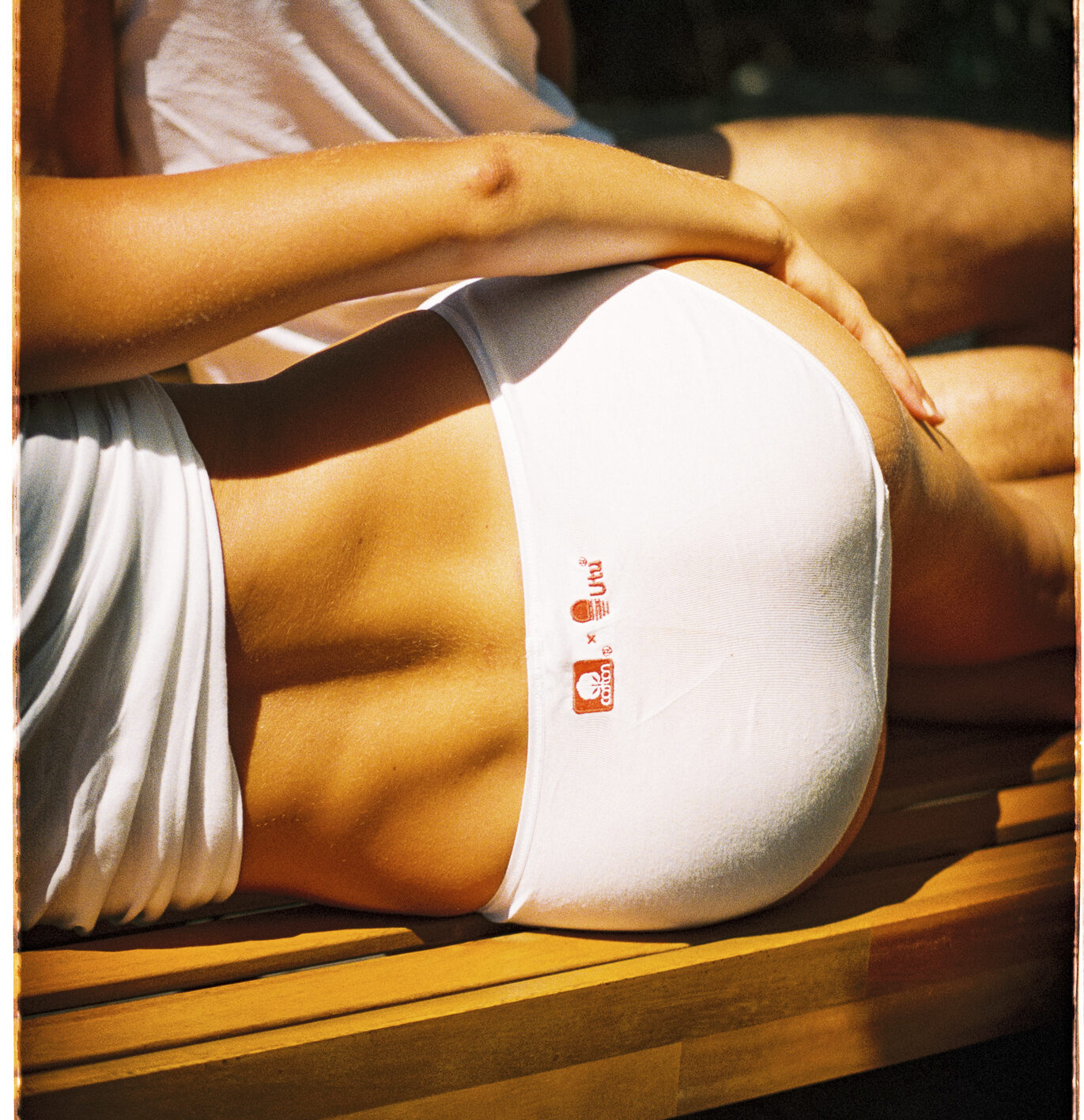
A variation of the thong, this undergarment or swimwear bottom has a similar waistband but uses a string instead of a larger panel of fabric in the back. From the word garter, the G-string has become a foundation option when a smooth line is preferred under pants, skirts and dresses |
| Gabardine |
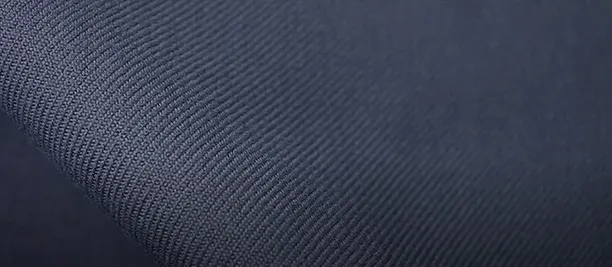
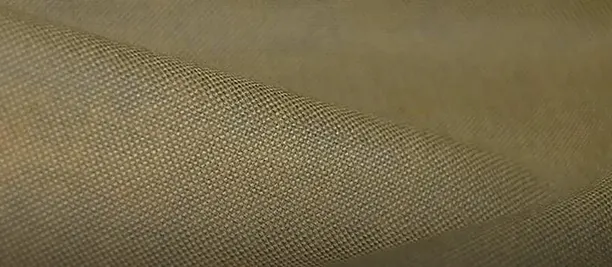
A durable, compactly woven twill fabric, sometimes with a high sheen. Originally used by religious pilgrims in medieval Spain in a loose, outer garment called a gabardina, this sturdy fabric is now a staple for suiting and outerwear. |
| Gamine |
In fashion, a term used to describe a thin, girlish look. Originally used to denote a homeless girl who roamed the streets, the term became associated with high fashion in the 1950s when it was applied to the beauty of the moment, French actress Jean Seberg, and later, Audrey Hepburn |
| Garment-dyed |
A term used to describe a garment whose color was applied in full-garment form. |
| Gauge |
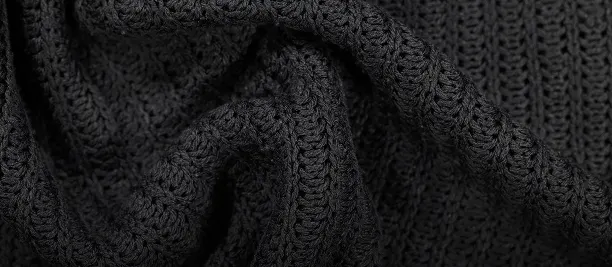
A term used to describe the number of loops per 1 to 1 1/2 inches in a knitted fabric or garment. Gauge may vary depending on how tight or loose the loops are, the yarn bulk, and the size of the knitting needles. Generally speaking, the higher the gauge, the finer and more lightweight the knit. |
| Gauze |
A lightweight fabric with a very open weave. Typically made of cotton, gauze is most often associated with surgical dressings and curtains, but can also be used for warm-weather shirtings and dresses. |
| Gingham |
A cotton fabric with a checkered pattern, most typically in white and another color. Named after Gingham, in Brittany, where the fabric was originally manufactured, gingham was associated with tablecloths, aprons and picnic outings before becoming a classic shirting choice reflecting a sophisticated but playful style. |
| Girdle |
An elasticized, flexible women’s undergarment worn over the waist, hips and sometimes legs to give the body a more slender appearance. Popular in the early half of the twentieth century, girdles have evolved into more modern shapers and other foundation options that offer women form, with more freedom. |
| Glen plaid |
A fabric featuring a woven design of small and large checks. The name glen plaid was first derived from the valley of Glen Urquhart in Inverness-shire, Scotland, where the pattern was first used in the 1800s by the countess of Seafield to outfit her gamekeepers. |
| Gore |
A skirt section that is wider at the hem than at the top, providing a fullness and shaping to the waist without using darts, and a trumpeted look. There may be as many as 24 gores in a skirt, although usually there are eight, four or six. |
| Grain |
A term used to refer to the direction of fibers in a woven fabric. Straight-grain refers to the fibers running the length of a fabric, while cross-grain refers to the fibers running the width of a fabric. |
| Greige Goods |
Pronounced gray. Loom-state cloth that has not received dry and wet finishing. |
| Grommet |
A small metal or plastic ring used to reinforce a hole, or eyelet, through which a fastener is passed. Used in everything from sneakers to totes to pullovers, grommets have come to signify utilitarian style, especially in summertime sportswear. |
| Guayabera |
A lightweight button-down shirt with a boxy fit, short-sleeves, a convertible collar, one or two sets of patch pockets, an even hem and sets of pintucks running from the shoulders to the shirt bottom in the front and back that are sometimes decorated with elaborate embroidery. |
| Guilloche |
An ornamental boarder formed by tow or more curved bands or lines that interlace to repeat a circular design. |
| Gusset |
A piece of fabric, either in a diamond or triangle shape, inserted in a garment or accessory to allow for more space and greater movement. Gussets typically appear under the arms of sleeves, in the sides of a handbag, the sides of men's shirttails and the sides of shoes, and are now often cut in new stretchy fabrics to increase flexibility. |