- Decorating
- Bringing Summer into the Home
- University Cotton
- Summer Porch and Patio Décor
- Home Tips & Tricks
- Dorm Room Decorating 101
- Stocking the Linen Closet in Style
- Buy Smart Sofas
- Home Resources & References
- Entering the Comfort Zone
- Talking Dollars and Sense
- Stain Removal Survival Guide
- Home Crafts
- Cotton Lotus
- Cotton Fold Over Holder
- Nature’s Inspired Cotton Jersey Flower Bouquet
Are you on the list?
Sign up for emails with hot news on what's up and what's next.
Your privacy is protected.
Understanding Thread Count
Finding Those Perfect Cotton Sheets Is Easier
with a Little Thread Count IQ
Over the past few years, thread count has increasingly influenced how we buy sheets. According to Cotton
Incorporated's Lifestyle Monitor, 29% of consumers surveyed in 2001 said thread count was the most important
factor influencing the sheets they bought. That number rose to 34% in 2005. Ironically, thread count and its role
in the overall feel and comfort of sheets, is often misunderstood. Dana Poor, home trend forecaster for Cotton
Incorporated, recently sat down with the ladies of ABC's "The View" to clear up the mystery of thread count and to
offer general advice when shopping for sheets.
What is thread count?
Technically speaking, thread count is the number of threads, both vertical and horizontal,
in a one-inch square of fabric.
"What many consumers don't realize is that thread count is affected by a
number of factors, including the ply and the thickness of the threads used," explains Dana Poor, home trend forecaster for Cotton Incorporated.
Do One and One Equal Two--or One?
Ply refers to how many threads are wrapped together into a single thread. Single-ply fabrics, for example, use threads on their own, while two-ply fabrics are formed by two pieces of thread twisted together. And herein lies the confusion: Should a two-ply fabric's threads be counted as one, single thread; or as two, individual threads? Or, more practically speaking, are those 600 thread count sheets truly 600 single-ply threads-per-inch, or are they 300 double-ply threads-per-inch?
Do the Numbers Matter?
The short answer is, no. The numbers don't matter – at least not on their own. Another crucial element to the quality of a sheet is the thickness of the threads being used. "When finer threads are used, more of them can be fit into that one square-inch space," states Poor. "Finer thread generally creates smoother, softer fabrics, and is part of the reason why high thread count fabrics are considered more desirable." Finer threads also create a more delicate fabric. Sheets made of a two-ply fabric are stronger and more durable, but usually heavier.
What Are Some Other Factors To Consider?
Though most people look for the thread count first when buying sheets, there are other factors to consider.
Poor elaborates, "The thing that I would stress is that high thread count should not be someone's only barometer for buying a set of sheets.
Thread count on its own does not convey many of the factors that make up the final product." For example, how the cotton is treated can be
a much more decisive factor in comfort and overall feel than the thread count of a fabric, as can the final finishing of the fabric.
Another key factor is weave. Some of the more commonly-used weaves in bed sheets are:
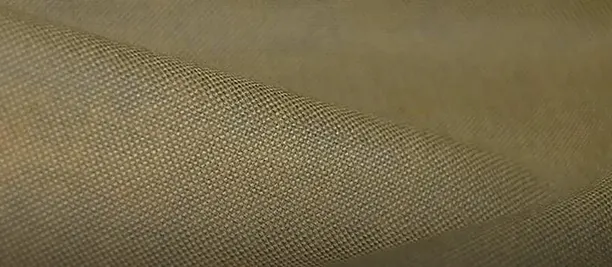
Percale: a closely woven. Plain weave, spun fabric made
from both carded and combed cotton. Percale sheeting is the finest available.
The high tread count gives the fabric a silk-like feel.
Flannel: a soft, medium weight plain or twill weave fabric, usually made of
cotton with a napped finish on one or both sides. The raised surface provides a fluffy
appearance and supper soft, cozy feel. Great for warmth during the cold winter months.
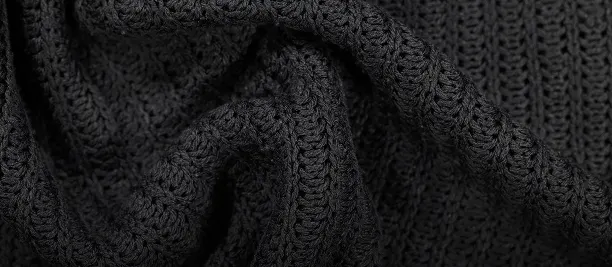
Jersey: a plain stitch knitted cloth. The fabric is knitted in circular,
flatbed or warp knitted methods. Very elastic with good draping qualities.
Sateen: a weave construction that has more yarn surface on the face
of the cloth than other basic weaves giving a softer hand and more lustrous look.
The Look . . . The Feel
"At the end of the day, the best sheets you can buy are the ones that you think look good in your bedroom and that feel comfortable against
your skin, says Poor." I can't stress enough the value of actually touching the sheets before buying them." These days, most of the better
bedding retailers incorporate sheet samples within store displays for that very purpose.
One thing remains true, consumer studies have found that the majority of people want 100% cotton sheets for their home decor. Nature has given cotton attributes
that make it a smother, softer and more comfortable choice. It's breathable, so cotton sheets never feel sticky against your skin.
Cotton bed sheets also provide year-round comfort. The fiber provides cool comfort in the summer and holds a layer of warm air in the cold
weather. Consumers can be sure they are purchasing 100% sheets by looking for products that feature the Seal of Cotton trademark.